Few corporate events bring a company together quite like a dinner and dance. It’s the one night of the year where the CEO hits the dance floor, the intern wins the lucky draw, and everyone remembers why they actually enjoy working together.
But behind every seamless D&D is months of planning, dozens of decisions, and at least one spreadsheet that’s grown out of control. Whether you’re an HR manager who’s just been handed the brief or a seasoned event planner looking for fresh ideas, this guide covers everything you need to plan a dinner and dance in Singapore that people will genuinely talk about — for the right reasons.
We’ve organised hundreds of corporate dinner and dance events across Singapore, and we’re sharing everything we’ve learned.
Why Dinner and Dance Events Still Matter
In an era of remote work, hybrid teams, and Zoom fatigue, the corporate dinner and dance has become more important — not less. Here’s why companies across Singapore continue to invest in them:
- Team bonding beyond the office. There’s something about sharing a meal, a dance floor, and a photo booth that breaks down hierarchies faster than any team-building workshop.
- Employee recognition. D&Ds are the perfect occasion to celebrate milestones — long-service awards, top performers, promotions, and retirements.
- Talent retention. Employees who feel valued stay longer. A well-planned annual event signals that the company cares about culture, not just KPIs.
- Company identity. Your D&D reflects your brand. A creative, well-executed event tells your people (and prospective hires) what kind of company you are.
The ROI isn’t always on a balance sheet — but ask any HR leader, and they’ll tell you: the companies that invest in culture outperform those that don’t.
Step-by-Step Planning Timeline
Great dinner and dance events don’t happen overnight. Here’s a realistic planning timeline that keeps you ahead of the curve.
6 Months Before: Lay the Foundation
- Set objectives. Is this primarily a celebration? An awards night? A themed party? Your goals shape every decision that follows.
- Confirm the budget. Get sign-off on a total figure early. We’ll break down typical costs below.
- Choose a date. In Singapore, D&D season peaks from October to February. Popular venues book out 6–12 months ahead for Friday and Saturday nights. Weekday events can save 20–30% on venue costs.
- Engage an event planner. A professional event management company can handle vendor coordination, creative direction, and on-the-day logistics — freeing your HR team to focus on internal communications.
- Shortlist venues. Visit 3–5 venues. Consider capacity, location, parking, AV capabilities, and catering flexibility.
4 Months Before: Lock In the Details
- Confirm venue and sign contracts. Secure your date with a deposit.
- Decide on a theme. Your dinner and dance theme drives décor, dress code, entertainment, and invitations. More on themes below.
- Book key vendors. Entertainment (band, DJ, emcee), photographer/videographer, photo booth, and décor supplier. Top vendors in Singapore get booked months ahead during peak season.
- Plan the programme flow. Map out the evening: registration, cocktail reception, dinner, speeches, awards, entertainment, dancing, lucky draw, and closing.
2 Months Before: Build Momentum
- Send invitations. Digital invites with RSVP tracking work best. Include theme, dress code, venue details, and parking information.
- Finalise the menu. Confirm dietary requirements — halal, vegetarian, allergies. In Singapore’s diverse workforce, this isn’t optional; it’s essential.
- Confirm awards and recognition. Coordinate with department heads on long-service awards, top performer awards, and any special mentions.
- Arrange lucky draw prizes. Source prizes that people actually want — travel vouchers, electronics, experience gifts, extra annual leave.
- Brief your emcee. Share the programme, pronunciation of names, company culture notes, and any sensitivities.
2 Weeks Before: Final Preparations
- Confirm headcount. Lock in final numbers with the venue and caterer.
- Create the seating plan. Mix departments to encourage cross-team interaction — but keep close teams together at the same table.
- Prepare AV content. Slideshow, company video, awards presentations, background music playlists.
- Run sheet. Create a minute-by-minute run sheet and share with all vendors.
- Confirm logistics. Transport, parking, signage, registration setup, gift bags.
Day Of: Execute
- Venue setup. Arrive 4–6 hours before guests for setup. Test all AV, lighting, and microphones.
- Vendor coordination. Brief all vendors on-site. Walk through the run sheet together.
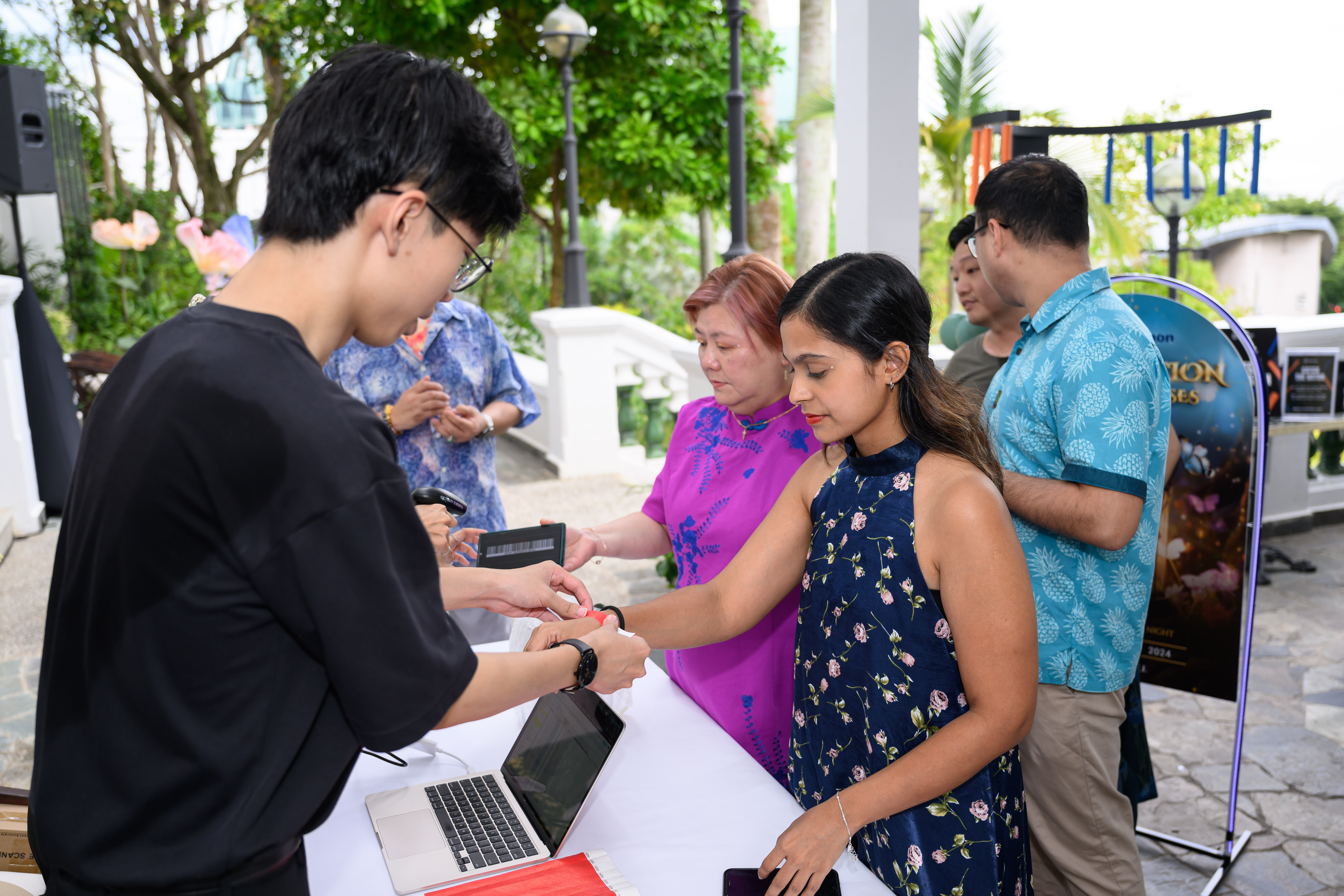
- Registration team. Have a smooth check-in process — name tags, table assignments, lucky draw coupons.
- Enjoy the night. If you’ve planned well, you should be able to step back and enjoy it too. (That’s easier said than done — which is why many companies hire a D&D event planner to manage the night.)
Budgeting Guide: What Does a D&D in Singapore Cost?
One of the most common questions we get: “How much should we budget for a dinner and dance?”
The honest answer: it depends on your headcount, venue, and ambitions. But here’s a realistic breakdown for a corporate dinner and dance in Singapore with 200–400 guests.
| Category | Budget Range (SGD) | Notes |
|---|---|---|
| Venue hire | $3,000 – $15,000 | Hotels charge more; some waive hire with F&B minimum spend |
| Catering / F&B | $80 – $200 per pax | Ranges from buffet to plated fine dining. Includes drinks. |
| Entertainment | $3,000 – $15,000 | Live band ($5K–$12K), DJ ($1.5K–$4K), emcee ($1.5K–$4K) |
| Décor & styling | $3,000 – $20,000 | Centrepieces, stage backdrop, entrance arch, lighting design |
| AV & lighting | $3,000 – $12,000 | Sound system, projectors, LED screens, intelligent lighting |
| Photography & videography | $1,500 – $5,000 | 2 photographers + 1 videographer is ideal for 300+ pax |
| Photo booth | $800 – $3,000 | Instant prints, GIF booths, 360° booths trending in 2026 |
| Lucky draw prizes | $2,000 – $10,000 | Grand prize should be exciting — think travel, tech, experiences |
| Printing & collateral | $500 – $2,000 | Invitations, table cards, programme booklets, signage |
| Event management | $3,000 – $10,000 | Full-service planning, vendor coordination, on-day management |
Typical total for 300 pax: $50,000 – $120,000 (or roughly $170 – $400 per person all-in).
Pro tip: If budget is tight, prioritise F&B and entertainment. Guests remember great food and a packed dance floor far more than elaborate centrepieces.
Top Dinner and Dance Themes for 2026
A strong theme transforms your D&D from “company dinner” to “the event of the year.” Here are the most popular dinner and dance themes we’re seeing in Singapore right now.
1. Great Gatsby / Roaring 20s
Timeless for a reason. Think gold and black décor, art deco patterns, feathered centrepieces, jazz bands, and champagne towers. Guests love the excuse to dress up in flapper dresses and three-piece suits. Works beautifully in hotel ballrooms with high ceilings and chandeliers.
2. Casino Royale
High-stakes glamour meets James Bond sophistication. Set up casino tables (blackjack, roulette, poker) with play chips, and let guests gamble for lucky draw entries. Red and gold décor, suited dealers, martini bars — it’s interactive and instantly exciting. One of the most engaging themes because guests have something to do beyond sitting at their table.
3. Around the World
Perfect for multinational companies. Each section of the venue represents a different country or continent — food stations with international cuisine, décor inspired by global landmarks, and a passport system where guests collect stamps. It celebrates diversity and gives your catering real variety.
4. Neon / Glow Party
High energy and incredibly photogenic. UV lights, neon signage, glow-in-the-dark accessories, and fluorescent décor create an electrifying atmosphere. Pair with a DJ, LED dancers, and a glow-themed photo booth. This theme works best for younger, energetic crowds and companies that want to break from tradition.
5. Hollywood Red Carpet
Roll out the red carpet — literally. Paparazzi photographers at the entrance, a step-and-repeat backdrop with your company logo, “Oscar” awards for best dressed and department superstars. It’s aspirational, glamorous, and gives everyone their moment in the spotlight.
6. Tropical Paradise
Bring the beach indoors. Lush greenery, tropical flowers, tiki bars, Hawaiian shirts (or elegant resort wear), steel drum music, and rum cocktails. A refreshing departure from black-tie formality. Works exceptionally well at outdoor or semi-outdoor venues like Sentosa or waterfront locations.
7. Masquerade Ball
Elegant, mysterious, and universally flattering. Provide masks at registration or ask guests to bring their own. Rich jewel tones — deep purple, emerald, gold — with candlelit tables and a live string quartet during dinner. The reveal (masks off at midnight) adds a theatrical touch. One of the easiest themes to execute on a modest décor budget because the masks are the décor.
8. Retro / 80s–90s
Nostalgia sells. Disco balls, neon lights, arcade game stations, a retro DJ spinning classic hits, and a dress code that encourages big hair, denim, and bold patterns. This theme generates the most laughs and the best costumes. Add a retro photo booth with props, and your social media content writes itself.
9. Under the Sea
Transform the ballroom into an underwater wonderland. Blue and teal lighting, iridescent décor, jellyfish-inspired hanging installations, and coral centrepieces. It’s visually stunning and allows for creative interpretation in both casual and formal dress codes. Pair with a seafood-focused menu for full immersion.
10. Futuristic / Sci-Fi
For companies that want to signal innovation. Metallic décor, LED panels, holographic projections, robotic entertainers, and a silver-and-electric-blue colour palette. Tech companies especially love this theme. Incorporate AI-powered elements — an AI photo generator, interactive digital installations, or drone displays — to make it genuinely cutting-edge.
Can’t decide? We’ve written a detailed guide to dinner and dance themes and ideas with even more inspiration.
Best D&D Venues in Singapore
Singapore is spoilt for choice when it comes to event venues. Here are our top picks across different categories.
Hotel Ballrooms
The classic choice — and for good reason. Hotels offer all-in-one packages covering venue, catering, AV, and accommodation for VIP guests.
- Marina Bay Sands — Iconic skyline views, massive ballrooms, premium positioning. Best for large-scale events (500+ pax).
- Shangri-La Singapore — Elegant ballroom surrounded by lush gardens. Excellent service and F&B quality.
- The Ritz-Carlton, Millenia — Sophisticated and modern, with Marina Bay views. Ideal for premium corporate events.
- Fairmont Singapore — Central location, flexible ballroom configurations, reliable event team.
- W Singapore – Sentosa Cove — Trendy and contemporary, great for companies wanting a less traditional vibe.
Convention & Event Centres
Better for large headcounts and more budget flexibility, since you can bring in your own caterer and vendors.
- Sands Expo & Convention Centre — Massive capacity, state-of-the-art AV infrastructure.
- Resorts World Convention Centre — Sentosa location, versatile spaces, integrated resort perks.
- Singapore EXPO — Cost-effective for very large events (1,000+ pax), ample parking.
- Suntec Singapore — Central, well-connected, multiple hall sizes available.
Unique & Non-Traditional Venues
For companies that want something memorable and different.
- National Gallery Singapore — Art-filled backdrop, stunning architecture, rooftop options.
- Capella Singapore — Sentosa’s hidden gem. Colonial architecture meets modern luxury.
- The Clifford Pier (Fullerton Bay Hotel) — Heritage waterfront venue with dramatic harbour views.
- Raffles Hotel — Old-world charm and prestige. The Jubilee Ballroom is breathtaking for intimate D&Ds.
- ONE°15 Marina Sentosa Cove — Waterfront dining with yacht views. Perfect for tropical or nautical themes.
- Gardens by the Bay (Flower Field Hall) — Surrounded by nature, a truly unique backdrop.
When choosing a venue, consider: capacity, location accessibility (MRT proximity, parking), in-house vs. external catering flexibility, AV capabilities, curfew times, and setup/teardown windows.
Entertainment Ideas That Actually Work
Entertainment makes or breaks a dinner and dance. Here’s what consistently delivers.
Live Band
Nothing beats the energy of a live band for getting people on the dance floor. Look for versatile bands that can play cocktail jazz during dinner and switch to pop, rock, and dance hits after. Budget $5,000–$12,000 depending on band size and reputation.
DJ
A skilled DJ reads the room and keeps the energy building throughout the night. Essential for the post-dinner party segment. Many events combine a live band for the first half and a DJ for the second — the best of both worlds. Budget $1,500–$4,000.
Emcee
Your emcee is the glue that holds the evening together. A great emcee manages transitions, keeps energy high, and handles the unexpected with grace. Choose someone who understands corporate culture but isn’t stiff — warm, witty, and professional. Budget $1,500–$4,000.
Photo Booth
Still one of the most popular D&D additions. In 2026, 360° video booths and AI-powered booths (that transform your photo into themed artwork) are trending. Instant prints give guests a physical takeaway, and digital sharing extends your event’s reach on social media.
Interactive Games & Activities
- Casino tables — Pair with Casino Royale theme or run standalone. Guests trade chips for lucky draw entries.
- Trivia / company quiz — Use a live polling app so everyone plays from their phone. Great for team bonding.
- Best-dressed competition — Encourages guests to commit to the theme. Let the crowd vote via app.
- Dance-offs — Spontaneous or planned, they always generate energy and laughter.
- Lip sync battle — Pre-planned by department. Hilarious and memorable.
Lucky Draw Tips
The lucky draw is often the highlight of the evening. Do it right:
- Space it out. Don’t dump all prizes at the end. Run 3–4 rounds throughout the evening to maintain excitement and keep people in the room.
- Escalate the prizes. Start with smaller prizes and build to the grand prize. Create anticipation.
- Make it theatrical. Use a digital spinner, dramatic music, and spotlight. The presentation matters as much as the prize.
- Choose prizes people want. Cash vouchers, electronics (AirPods, iPads), travel vouchers, hotel staycations, and extra annual leave consistently rank as the most exciting prizes.
- Winners must be present. This keeps attendance high throughout the night. Announce this rule early.
Common Mistakes to Avoid
We’ve seen these mistakes derail otherwise great events. Learn from them.
- Starting planning too late. Peak season venues and top vendors book out 6+ months ahead. If you’re scrambling 8 weeks before, your options are already limited.
- Ignoring dietary requirements. Singapore’s multicultural workforce means halal, vegetarian, vegan, and allergen-free options aren’t nice-to-haves — they’re non-negotiable. Survey your guests early.
- Overloading the programme. A 15-item run sheet crammed into 4 hours leaves no room for guests to socialise, eat, or dance. Less is more. Prioritise the moments that matter.
- Skimping on AV. Bad sound or a laggy projector ruins speeches and awards. This is not the place to cut corners. Invest in proper sound, lighting, and screens.
- No contingency plan. What if the band cancels? What if the projector dies? What if attendance is 20% higher than RSVPs? Have backup plans for your critical elements.
- Forgetting the after-party. The D&D might end at 11pm, but the night doesn’t have to. Arrange an after-party venue or bar nearby — it’s where the best memories are made.
- Not hiring a professional emcee. The “funny guy from Marketing” might be great at team lunches, but managing a 300-person event for 4 hours requires a pro. Don’t gamble on this.
- Poor seating arrangements. All-same-department tables create cliques. All-random tables create awkwardness. The sweet spot: mix departments but keep close colleagues together in clusters of 2–3 per table.
Frequently Asked Questions
How far in advance should I start planning a dinner and dance?
Ideally 6 months for peak season (October–February) and at least 3–4 months for off-peak. The earlier you start, the better your venue and vendor options. Some popular hotel ballrooms book out a year in advance for December dates.
How much does a corporate dinner and dance cost in Singapore?
For a mid-range event with 200–400 guests, expect to budget $50,000–$120,000 all-in ($170–$400 per person). This covers venue, F&B, entertainment, décor, AV, photography, and event management. Costs vary significantly based on venue choice and level of production.
Should I hire a dinner and dance event planner?
If your event has more than 150 guests, a theme, or multiple entertainment elements — yes. A professional dinner and dance event planner manages vendor negotiations, creative direction, logistics, and on-day coordination. This frees your HR team to focus on guest experience rather than troubleshooting AV issues at 7pm.
What’s the best day of the week for a D&D?
Friday and Saturday evenings are most popular — guests can dress up without worrying about work the next day. However, weekday events (especially Thursday) can save 20–30% on venue costs and are easier to book during peak season.
How do I choose a dinner and dance theme?
Consider your company culture, audience demographics, and budget. A conservative firm might suit a Masquerade Ball or Great Gatsby theme, while a tech startup might prefer Neon Glow or Futuristic. The best themes are ones your guests will actually dress up for. Check our complete guide to D&D themes for more ideas.
What’s the ideal programme length?
3.5 to 4.5 hours is the sweet spot. A typical flow: 30-minute cocktail reception, 2-hour dinner with speeches and awards, 1.5-hour entertainment and dancing, closing with the final lucky draw. Going beyond 5 hours risks losing energy and attendance.
How do I keep guests engaged throughout the evening?
Vary the programme — alternate between seated segments (dinner, speeches) and active segments (games, dancing). Space lucky draw rounds throughout the night. Use a live polling app for interactive moments. And above all, keep speeches short. Nobody came for a 20-minute CEO address.
Can I plan a great D&D on a tight budget?
Absolutely. Prioritise food and entertainment — these have the highest impact on guest experience. Choose a non-hotel venue to save on hire costs. Go with a DJ instead of a full band. Use lighting creatively instead of expensive décor. A Masquerade Ball or Neon theme can look spectacular without massive budgets because the guests’ costumes do the heavy lifting.
What should I look for in a D&D venue?
Capacity (with dance floor space — not just seated), MRT/transport accessibility, parking availability, in-house AV quality, catering flexibility (external caterers allowed?), noise curfew times, and setup/teardown windows. Always visit in person and ask about hidden costs like corkage, overtime charges, and power surcharges.
How do I make the lucky draw fair and exciting?
Use a transparent digital system (not “pulling names from a hat”). Display the draw on the big screen so everyone can watch in real time. Require winners to be present — announce this upfront to keep attendance high. And never, ever let the organising committee win the grand prize (even if it’s legitimate, the optics are terrible).
Ready to Plan Your Dinner and Dance?
Planning a dinner and dance in Singapore doesn’t have to be stressful. With the right timeline, the right partners, and a clear vision, you can create an event that your team will remember — and look forward to — every single year.
At Get Out! Events, we specialise in corporate dinner and dance events in Singapore. From concept and theme development to full event production and on-day management, we handle every detail so you don’t have to.
Let’s make your next D&D unforgettable.