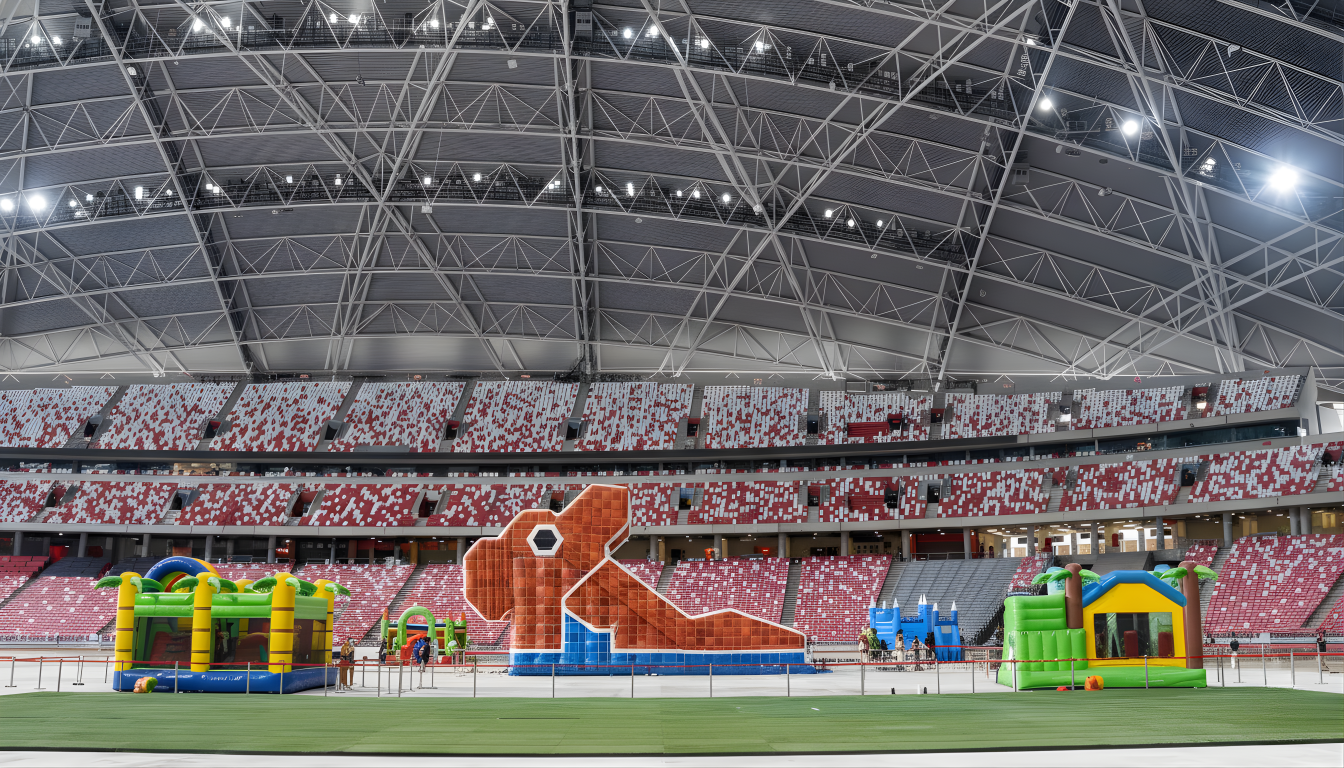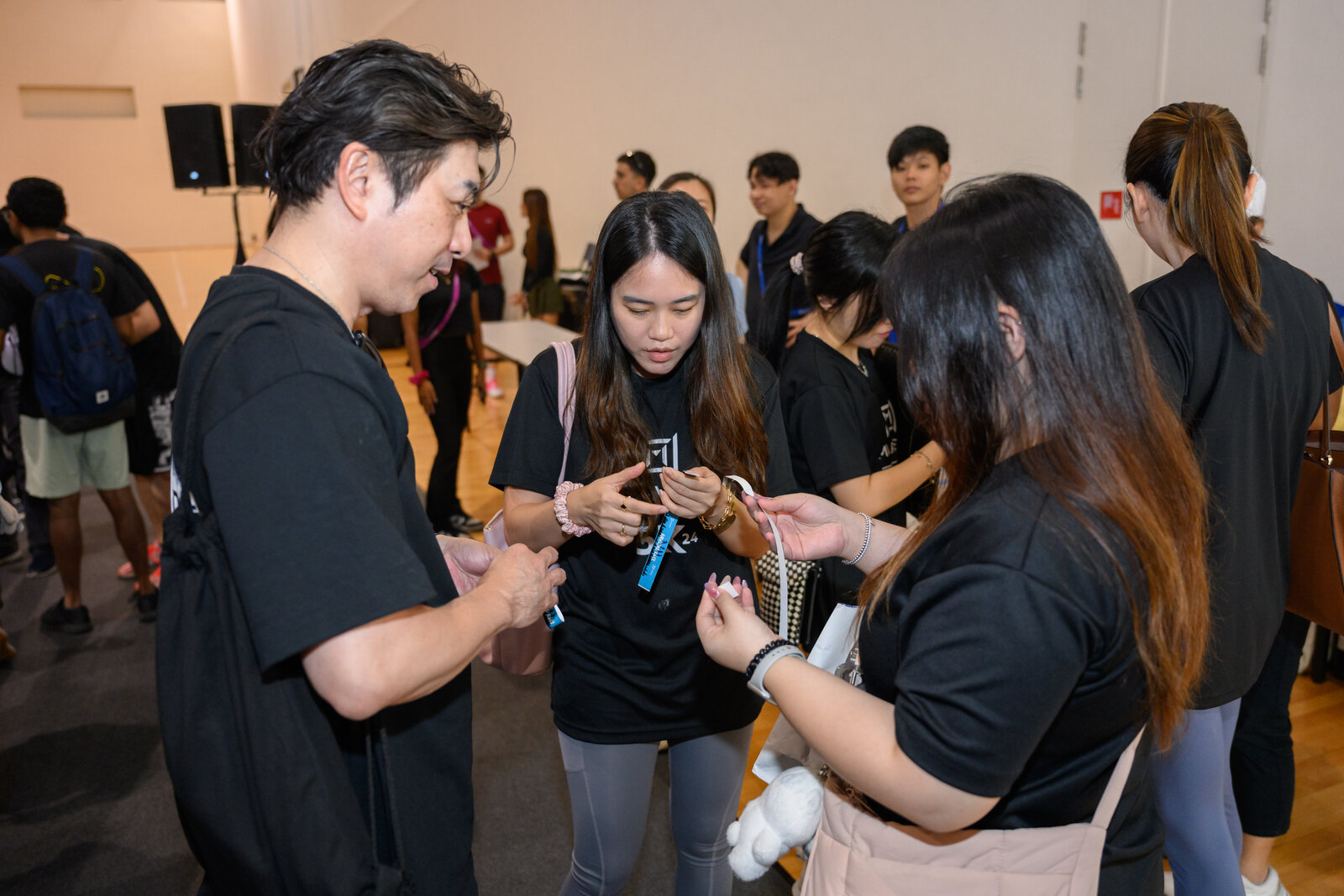
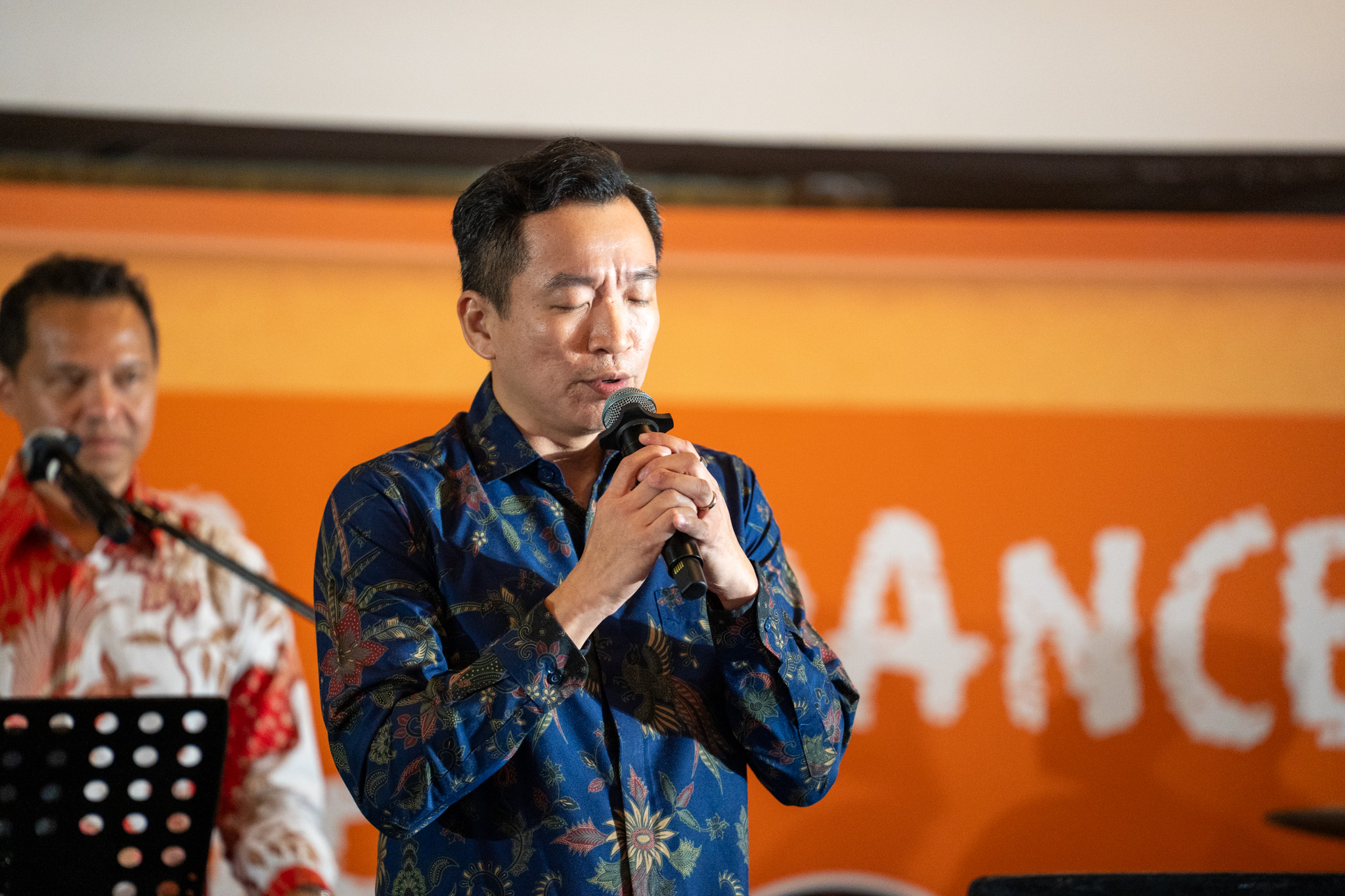
Hiring a corporate event organiser in Singapore is the difference between an event that runs itself and one where your HR team is stress-eating behind the AV booth. Whether it’s a 50-person team building session or a 2,000-pax dinner and dance, Singapore has hundreds of event companies — but finding the right one for your budget, timeline, and event type is where most companies get stuck.
This guide covers the practical stuff: what corporate events actually cost in Singapore, how to plan on a realistic timeline, and what to look for (and avoid) when choosing an organiser.
Types of Corporate Events in Singapore
Before you start getting quotes, know what you’re planning. Each event type has different requirements, pricing, and lead times:
| Event Type | Typical Size | Budget Range/Pax | Lead Time | Complexity |
|---|---|---|---|---|
| Dinner & Dance | 100–2,000 | $120–$250 | 3–6 months | High |
| Team Building | 20–500 | $40–$150 | 4–8 weeks | Medium |
| Family Day | 100–2,000+ | $50–$150 | 3–5 months | High |
| Awards & Conferences | 50–1,000 | $80–$200 | 2–4 months | High |
| Product Launch | 50–500 | $100–$300 | 2–3 months | High |
| Town Hall / AGM | 50–500 | $30–$80 | 2–4 weeks | Low–Medium |
| Company Retreat | 20–100 | $150–$400 | 2–3 months | Medium |
What Corporate Events Actually Cost in Singapore
This is what most “planning guides” skip — real numbers. Here’s what companies in Singapore typically spend:
Dinner and Dance
The most expensive corporate event for most companies. A mid-range hotel D&D for 300 pax runs $45,000–$60,000 all-in ($150–$200/pax). Budget D&Ds at function rooms start around $120/pax. Premium hotel galas hit $250/pax. See our full D&D cost breakdown for detailed pricing.
Team Building
The most common corporate event. Indoor workshops run $40–$80/pax, outdoor activities like Amazing Race cost $65–$120/pax, and premium experiences (yacht, cooking masterclass) hit $100–$150/pax. Half-day programmes are the sweet spot — 3–4 hours keeps energy high without burning out.
Family Day
Costs $50–$150/pax depending on venue and activities. Mid-range events at parks with inflatables, carnival games, and buffet catering average $80–$110/pax. See our family day cost guide for a complete breakdown.
Awards Ceremony / Conference
Hotel ballroom events with stage, AV, and dinner typically run $100–$200/pax. The AV and production budget alone can be $8,000–$25,000 depending on LED screens, lighting rigs, and live streaming requirements.
Where the Money Actually Goes
| Cost Component | % of Budget | Notes |
|---|---|---|
| Venue | 25–35% | The biggest single cost. Hotel ballrooms = premium; parks = budget-friendly |
| F&B / Catering | 25–35% | $25–$70/pax depending on format (buffet, plated, BBQ) |
| Entertainment & Activities | 15–25% | Emcee, performers, games, team building facilitators |
| AV & Production | 10–20% | Sound, lights, LED screens, stage setup |
| Event Management | 10–15% | Planning, coordination, on-site management |
| Decor & Logistics | 5–10% | Theming, signage, transport, miscellaneous |
12-Week Planning Timeline
Most corporate events need 3 months minimum. Here’s a realistic countdown:
| Week | Milestone | Key Actions |
|---|---|---|
| 12 | Project kick-off | Define objectives, set budget, form committee, shortlist 3 event companies |
| 10–11 | Select organiser | Review proposals, compare quotes, check references, sign contract |
| 8–9 | Concept & venue | Finalise theme/concept, confirm venue booking, plan programme flow |
| 6–7 | Vendor booking | Book caterer, entertainment, AV, photographer. Send save-the-date to staff |
| 4–5 | Content & logistics | Finalise run sheet, prepare speeches/awards, design collateral |
| 3 | RSVP & headcount | Collect RSVPs, confirm dietary requirements, finalise seating if applicable |
| 2 | Final confirmation | Confirm headcount with all vendors, prepare contingency plans |
| 1 | Pre-event | Final walkthrough at venue, brief all vendors, prepare event-day kit |
| D-Day | Event day | Setup 3–4 hours before, sound check, team briefing, execute |
| +1 | Post-event | Collect feedback, settle invoices, debrief with organiser, archive photos |
How to Choose a Corporate Event Organiser
You’re not just hiring a vendor — you’re trusting someone with your company’s reputation in front of your entire team. Here’s how to evaluate:
Must-Have Criteria
- Relevant portfolio: Have they done YOUR type of event? A wedding planner isn’t a corporate event specialist
- Transparent pricing: Detailed quotes with line items, not vague “packages from $X”
- Client references: Ask for 2–3 contacts you can actually call. Check Google Reviews (look for 4.5+ stars)
- Dedicated coordinator: One person who owns your event from start to finish, not a different person each call
- Contingency planning: What happens if it rains? If the emcee cancels? If headcount changes last minute?
Red Flags
- No portfolio or only stock photos
- Can’t provide references from past clients
- Vague pricing — “we’ll confirm closer to the date”
- Slow to respond during the sales process (it only gets worse after you sign)
- Pushes their standard package instead of listening to your needs
- No on-site coordination included — they just “set up and leave”
Questions to Ask Before Signing
- What’s included and what costs extra? (Get it in writing)
- Who will be my point of contact and will they be on-site?
- What’s your cancellation and postponement policy?
- Can you share a detailed run sheet from a similar event?
- What’s your wet weather / contingency plan?
- How do you handle last-minute headcount changes?
Corporate Event Planning Checklist
Pre-Planning (3+ months out)
- ☐ Define event objectives and success metrics
- ☐ Set total budget with 10% contingency buffer
- ☐ Get management approval on budget and date
- ☐ Shortlist and contact 3 event organisers
- ☐ Review proposals and select organiser
Planning Phase (1–3 months out)
- ☐ Confirm venue and date
- ☐ Finalise event concept and programme
- ☐ Book all vendors (catering, AV, entertainment, photography)
- ☐ Send invitations / save-the-date
- ☐ Plan event collateral (signage, presentations, awards)
- ☐ Confirm dietary requirements and accessibility needs
Final Prep (1–2 weeks out)
- ☐ Finalise headcount with all vendors
- ☐ Confirm run sheet and timings
- ☐ Prepare wet weather contingency
- ☐ Brief speakers, award presenters, VIPs
- ☐ Prepare event-day emergency kit (tape, markers, extension cords, first aid)
Post-Event
- ☐ Send thank-you message to staff
- ☐ Collect feedback survey
- ☐ Review photos and share internally
- ☐ Debrief with organiser — what worked, what didn’t
- ☐ Settle final invoices
- ☐ Document learnings for next year
Common Mistakes to Avoid
- Underestimating AV costs: Sound, screens, and lighting for a 300-pax D&D can easily hit $10,000–$15,000. Get quotes early
- No wet weather plan: Outdoor events in Singapore without a rain contingency are gambling. Always have a Plan B
- Last-minute booking: Good event companies are booked 2–3 months out. Q4 (Oct–Dec) fills up by August
- Ignoring dietary needs: Halal, vegetarian, allergies — Singapore’s diverse workforce means you can’t do one-size-fits-all catering
- Skipping the run sheet: No detailed minute-by-minute schedule = chaos on event day. Insist your organiser provides one
- Budget without contingency: Always keep 10% buffer. Something will go over budget — it always does
Venue Selection Guide for Singapore Corporate Events
Venue choice drives 40–60% of your total event budget. Here’s how to match venue type to event type in Singapore:
Team Building
| Venue Type | Best For | Est. Cost | Examples |
|---|---|---|---|
| Function rooms (hotels/serviced offices) | Indoor workshops, escape rooms, cooking classes | $500–$3,000/day | Orchard Hotel, Pan Pacific, co-working spaces |
| Outdoor parks | Amazing Race, Sports Day, Outward Bound-style activities | $0–$500 (permit) | East Coast Park, Bishan-AMK Park, Jurong Lake Gardens |
| Private resort/chalet | Overnight retreats, mixed indoor-outdoor | $2,000–$8,000/day | D’Resort, Changi Cove, Costa Sands |
| Sentosa venues | Premium beach/outdoor team building | $3,000–$15,000 | Palawan Green, Fort Siloso, Ola Beach Club |
Dinner and Dance
| Venue Type | Pax Range | Est. Cost/Pax (venue + F&B) | Best For |
|---|---|---|---|
| 3-star hotel ballroom | 100–500 | $100–$140 | Mid-range D&D with full AV package |
| 4-star hotel ballroom | 200–1,000 | $150–$200 | Premium D&D with built-in production |
| 5-star hotel ballroom | 300–2,000 | $200–$300+ | Flagship corporate galas, large companies |
| Stand-alone function hall | 100–500 | $80–$130 | Budget-conscious teams who bring their own caterer and AV |
| Rooftop / unique venue | 50–300 | $120–$180 | Creative theming, smaller intimate events |
Pro tip: Hotel venues bundle venue + F&B + basic AV into a per-pax package. This simplifies budgeting but limits flexibility. Stand-alone halls give you more control (and sometimes lower cost) but require you to source everything separately.
Conferences and Awards Ceremonies
| Venue Type | Pax Range | Day Rate | Notes |
|---|---|---|---|
| Hotel meeting rooms | 20–100 | $500–$3,000 | Good for smaller conferences with basic AV needs |
| Hotel ballroom (conference setup) | 100–1,000 | $5,000–$25,000 | Full production possible, in-house AV teams |
| Suntec City / Marina Bay Sands | 500–10,000 | $20,000+ | Flagship MICE venues, full production infrastructure |
| Auditoriums (university/corporate) | 100–500 | $1,000–$5,000 | Fixed seating, good acoustics, budget-friendly |
AV and Production: What You’re Actually Paying For
AV costs are the most misunderstood line item in corporate events. A basic PA system and a full LED production setup have nothing in common — except that event company sales reps often call both “AV”.
| AV Component | What It Is | Cost Range |
|---|---|---|
| Basic PA system | Speakers, microphones, mixer — for announcements and background music | $300–$800 |
| Standard AV package | PA + projector + screen + mic + basic lighting | $1,500–$4,000 |
| LED wall / screen | High-resolution display panels, modular (3×2m to full stage width) | $3,000–$15,000 |
| Stage lighting | Moving heads, wash lights, follow spots — for D&D or awards | $2,000–$8,000 |
| Live streaming setup | Camera, encoder, streaming crew for hybrid events | $1,500–$5,000 |
| Full production (D&D / gala) | LED wall + full lighting + sound + technical crew | $10,000–$30,000+ |
Budget rule of thumb: For a basic team building or town hall, $1,500–$3,000 covers AV. For a D&D with a stage performance, budget $8,000–$15,000. For a full LED gala production, $15,000–$30,000+. Always ask what’s included and what the crew overtime rate is.
Questions to Ask Your AV Vendor
- Is the crew included, or is labour billed separately?
- What’s the setup time required (and is it billed)?
- What’s the overtime rate if the event runs long?
- Do you have backup equipment on-site?
- Who is the technical director on the day?
Managing Dietary Requirements in Multicultural Singapore
Singapore’s workforce is diverse — getting catering wrong is not just a logistics issue, it’s a respect issue. Here’s how to handle F&B properly:
Dietary Breakdown to Plan For
- Halal: Mandatory for Muslim employees. The caterer must be MUIS-certified Halal. Don’t assume — always verify the certificate
- Vegetarian: Typically 5–15% of guests. Indian vegetarian (no eggs, no meat, no seafood) is more restrictive than standard vegetarian
- Vegan: Growing category. Request plant-based options from caterers if >5% of headcount
- Nut allergies: Common and potentially severe. Alert caterers and label dishes
- Gluten-free: Less common in Singapore but worth asking in your RSVP form
Best Practice: The Safe Catering Structure
- Use a MUIS-certified Halal caterer for the entire event — this covers Muslim guests and is acceptable to everyone else
- Add a dedicated vegetarian section with clear labelling
- Collect dietary requirements in your RSVP form with checkboxes (not free text)
- Communicate dietary info to caterer at least 2 weeks before the event
- Brief catering staff to answer questions about dish ingredients on the day
Avoid mixed Halal/non-Halal setups — they create confusion and risk. A fully Halal-certified menu is simpler and more inclusive than trying to run two parallel F&B streams.
Government Grants for Corporate Events and Training
Certain corporate events can qualify for partial government funding in Singapore — particularly those with a learning or development component:
SkillsFuture Enterprise Credit (SFEC)
SFEC provides eligible employers with a one-time $10,000 credit to defray up to 90% of the cost of qualifying SkillsFuture-approved programmes. If your event includes structured training (leadership workshops, skills-based team building), part of the cost may be claimable.
- Administered by WSG and SSG
- Applies to workforce transformation programmes
- Check eligibility at skillsfuture.gov.sg/sfec
Enterprise Development Grant (EDG)
EDG supports Singapore companies in growing and transforming their businesses. Events with a strategic alignment component (leadership retreats, strategic planning workshops) may qualify for EDG funding of up to 50–70% of qualifying costs.
- Administered by Enterprise Singapore
- Best suited for consultancy-led workshops or strategic retreats
- Apply via Business Grants Portal at least 30 days before the event starts
Important: Pure social events (D&D, family day, team bonding parties) do not qualify for grants. The event must have a documented learning or business transformation objective to be eligible.
Permits and Insurance for Singapore Events
Depending on your venue and event type, you may need permits and insurance. Skipping these can result in event shutdown — or worse, liability exposure:
| Requirement | When Needed | Where to Apply | Cost / Lead Time |
|---|---|---|---|
| NParks event permit | Events at public parks (East Coast, Bishan, etc.) with >30 pax or commercial activity | NParks OneStop Portal | $150–$500 / 6–8 weeks |
| Public entertainment licence (PEL) | Events with live music, public performances, or paid admission | Singapore Police Force (SPF) | $50–$300 / 4–6 weeks |
| Liquor licence | Selling or providing alcohol at a non-licensed venue | Singapore Police Force | $1,000–$2,500 / 3–4 weeks |
| Public liability insurance | Required by most venues; covers injury/property damage to third parties | Any Singapore insurer | $200–$600 / 1–3 days |
| Pyrotechnics / special effects permit | Events with fireworks, confetti cannons, or laser shows | Singapore Police Force | Varies / 4–6 weeks |
Note: Most professional event companies handle permit applications as part of their service. Always confirm this in your contract — don’t assume it’s included.
Corporate Event Trends in Singapore for 2025–2026
The events industry has shifted significantly post-pandemic. Here’s what leading companies in Singapore are doing differently:
- Hybrid events: Combining in-person attendance with live streaming for remote or overseas teams. Typical add-on cost: $1,500–$5,000 for professional streaming setup
- Sustainability focus: Reduced single-use plastics, plant-based menu options, locally-sourced food, digital programmes instead of printed collateral. Many MNCs now include sustainability criteria in event vendor briefings
- Wellness integration: Replacing alcohol-centric networking with yoga, meditation, or wellness workshops. Works well for year-end events as teams are already fatigued
- Gamification: Apps and QR code-based interactive games that let attendees participate on their phones during events. Increases engagement for conferences and town halls
- Smaller, more frequent events: Instead of one big annual event, companies are running quarterly 50–100 pax events. Better attendance, more consistent morale impact, easier to budget
- Personalisation: Customised goodie bags, named place cards, curated playlists by department — small touches that make employees feel seen
Post-Event: Reporting Back to Management
The work doesn’t end when the event wraps. A simple post-event report cements your credibility as an event organiser and builds the case for next year:
What to Include in Your Post-Event Report
- Attendance rate: Actual vs. registered. 80%+ attendance is considered a success
- Budget vs. actual spend: Line-item comparison of budget vs. final invoice
- Employee satisfaction score: From your post-event survey (aim for 8/10+ average)
- Top 3 highlights: Qualitative wins — memorable moments, strong attendance at specific activities
- Top 3 improvements: Honest feedback on what to do differently next time
- Recommendation for next year: Suggested format, budget range, timing
A one-page report — emailed to your HR Director and department heads within a week — turns the event from a cost centre into a strategic investment with measurable outcomes.
Frequently Asked Questions
How much does a corporate event cost in Singapore?
It varies widely by event type: team building runs $40–$150/pax, dinner and dance costs $120–$250/pax, family days are $50–$150/pax, and conferences run $80–$200/pax. For a 200-person mid-range D&D, expect a total budget of $30,000–$50,000.
How far in advance should I book a corporate event organiser?
At minimum 2–3 months for simple events (team building, town hall) and 4–6 months for complex events (D&D, family day, conferences). During peak season (Oct–Dec), book even earlier — top organisers fill up fast.
Can I plan a corporate event without an event company?
For small events under 50 pax (team lunches, workshops), absolutely. For anything larger, an event company saves you time, gets better vendor rates, and handles the hundreds of logistics details that trip up first-timers. The management fee (typically 10–15% of total budget) pays for itself in fewer headaches.
What’s the best time of year for corporate events in Singapore?
January–March (post-holiday, fresh budgets) and July–September (mid-year) offer better availability and pricing. November–December is peak season with premium pricing and limited availability — book by August if you’re planning a year-end event.
Need Help Planning Your Next Corporate Event?
Get Out! Events has been organising corporate events in Singapore since 2012 — from intimate 30-person team building sessions to 3,000-pax dinner and dance galas. Our clients include Google, DBS, Singtel, Daikin, and hundreds of Singapore SMEs.
Talk to us about your event — we’ll give you an honest assessment of what’s realistic for your budget and timeline.